
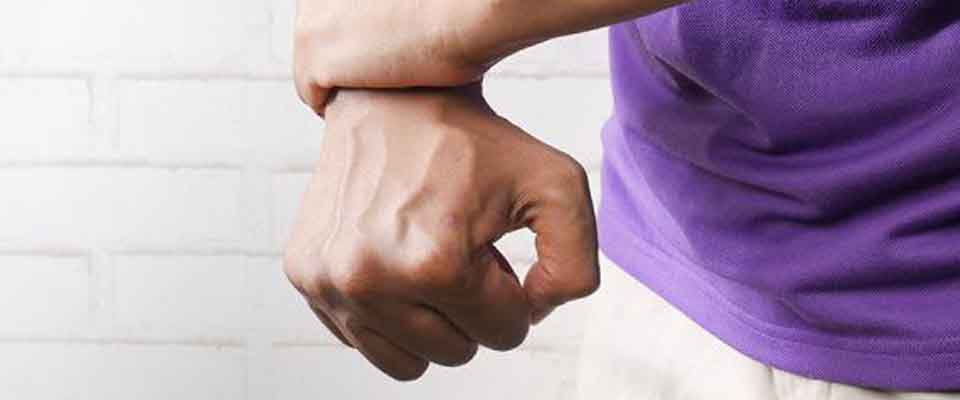
Introduction The human hand is much more advanced as compared to that of all living creatures. The structural arrangement, movements, sensation and environmental and work adaptation of the hand is amazing. The components of the hand usually work in equilibrium, to the extent that injury to one part of the hand, if not attended to timely and appropriately, may have a more widespread functional effect and long term morbidity. The anatomical hand extends from the wrist to the fingertip and consists of 27 bones, palmar and dorsal skin, nails, joint cartilage, synovia and joint capsules, numerous ligaments, numerous muscles, numerous tendons, nerves, arteries, veins, interstitial tissue and fat. Any of these structures can be injured in situations of hand trauma. The surgical hand consists of the upper limb, from the shoulder to the fingertip, and all the structures that are involved in its capacity to function normally, except the central nervous system. More structures are therefore covered under THE HAND in the practice of surgery. All these structures are contained in fasciae compartments and skin envelope with an expansion limit.Any additional volume, such as can be created by pus or post traumatic tissue swelling or internal bleeding, will result in the buildup of pressure with a risk of local circulation compromise (compartment syndrome). The goal of medical care in hand injury is timely, accurate diagnosis and a well-executed operative or non-operative intervention. The patient should therefore present self to the doctor for assessment immediately after an injury, so that short and long term disability of the injury can be minimized.
Introduction The human hand is much more advanced as compared to that of all living creatures. The structural arrangement, movements, sensation and environmental and work adaptation of the hand is amazing. The components of the hand usually work in equilibrium, to the extent that injury to one part of the hand, if not attended to timely and appropriately, may have a more widespread functional effect and long term morbidity. The anatomical hand extends from the wrist to the fingertip and consists of 27 bones, palmar and dorsal skin, nails, joint cartilage, synovia and joint capsules, numerous ligaments, numerous muscles, numerous tendons, nerves, arteries, veins, interstitial tissue and fat. Any of these structures can be injured in situations of hand trauma. The surgical hand consists of the upper limb, from the shoulder to the fingertip, and all the structures that are involved in its capacity to function normally, except the central nervous system. More structures are therefore covered under THE HAND in the practice of surgery. All these structures are contained in fasciae compartments and skin envelope with an expansion limit.Any additional volume, such as can be created by pus or post traumatic tissue swelling or internal bleeding, will result in the buildup of pressure with a risk of local circulation compromise (compartment syndrome). The goal of medical care in hand injury is timely, accurate diagnosis and a well-executed operative or non-operative intervention. The patient should therefore present self to the doctor for assessment immediately after an injury, so that short and long term disability of the injury can be minimized.

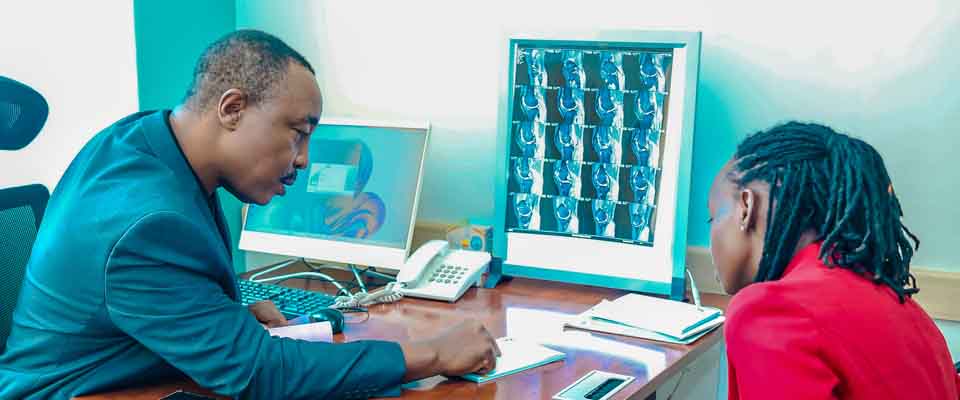
rauma can involve any part of the body Tor organ either as an isolated injury or multiple organ/parts of body in what is termed as multiple injuries. Main regions are Head, chest, abdomen, spine and the extremities (limbs) Most immediate life threatening injuries are head ,chest and major abdominal injuries as these can lead to inability to breath, massive blood loss, failure of blood to circulate and loss of consciousness and in more severe situations shutdown of vital life supporting brain centers. Muskulo-skeletal trauma describes injuries involving the limbs (upper and lower) the spine and pelvis. Injury to the spine demands prompt recognition and action to prevent further damage and protect the spinal cord. Injuries of the spine can be immediately life threatening especially those of the neck area. Even when not life threatening the sequelae can be devastating with compromised limb function and paralysis in musculo skeletal trauma one can sustain a pure soft tissue injury or an injury involving both the skeleton (bones) and soft tissues. Most often the mention of soft tissue injury is thought by many to imply a milder injury than one involving a fracture. This is a dangerous assumption that can lead to loss of limb or life. It's imperative to note that that the broad word soft tissues encompasses vital structures like blood vessels. Nerves, muscles, ligaments, tendons and skin – an often ignored but very effective barrier to infections People who manage trauma patients will involve a wide range of medical personnel with the orthopaedic surgeon taking the lead in musculo skeletal injuries. People you are most likely to encounter in fracture care will be plaster technicians who apply casts for straightforward fractures to the orthopaedic surgeon who manages fractures from the simple to the complex with his tools ranging from simple plaster casts to complex operative procedure in usually summarized as ORIF (open reduction and internal ixation). This simply means operative exposure of the fractures aligning it and holding it in position using implants with names like nails, plates, screws and wires to mention a few. Commonest causes of trauma in Kenya are RTA 41 percent, assault 21 percent, falls 8 percent Others The easiest way to reduce the immense trauma burden is prevention.
T his type of rehabilitation deals with movement dysfunction in order to restore wellness to people following musculoskeletal or neurological disorders. Musculoskeletal injuries will be those involving muscles, bones, tendons and ligaments. Examples of these are Osteoporosis, Tendinitis, Back pain, neck pain, knee and Shoulder injuries. Neurological disorders involve the nervous system and may cause paralysis to the body. Example are stroke, Multiple sclerosis, cerebral palsy and many others. Physiotherapy deals with restoring and maintaining functional movement, reducing pain and promoting health in individuals. As physiotherapists we treat a wide array of conditions including: Ÿ Spinal pain and injuries (e.g. Disc prolapse) Ÿ Headaches Ÿ Sports injuries (e.g. Ligament tears) Ÿ Fractures (e.g. broken arm or leg) Ÿ Musculoskeletal problems (e.g. Carpal tunnel syndrome) Ÿ Post- surgical rehabilitation (e.g. Following a knee / Hip replacement) Ÿ Biomechanical problems (e.g. Flat feet) Ÿ Arthritic conditions (e.g. Osteoarthritis) Ÿ Neurological disorders and diseases (e.g. Chronic Obstructive Pulmonary disorders) Ÿ Pediatric conditions (e.g. Cerebral Palsy) Ÿ Oncology problems (e.g. post cancer breast mastectomy, Lymphedema) Ÿ Gynecological problems (e.g. Incontinence – weakness of the pelvic loor muscles) If you have any of the injuries or conditions listed above, a consultation with a physiotherapist is a step in the right direction. Benets of physiotherapy Physical therapy helps people of all ages who have medical conditions, illnesses or injuries that limit their regular ability to move and function. A customized physical therapy program can help individuals return to their prior level of functioning, and encourage activities and lifestyle changes that can help prevent further injury and improve overall health and well-being. 1. Reduce or eliminate pain – Manual therapy techniques, therapeutic exercises, taping and electrotherapy help relieve pain and restore muscle and joint function. 2. Improve Mobility – If you are experiencing trouble standing or walking physiotherapist will give you stretching and strengthening exercises to help restore your ability to move. 3. Recover from stroke- It's common to lose some degree of function and movement after stroke. Physical Therapy helps strengthen weakened parts of the body, improve gait and balance and educate on activities of daily living. 4. Recover from or prevent a sports injury- Physical therapists understand well how different sports can increase your risk for speci ic types of injuries. They can design appropriate recovery or prevention exercise programs for you to ensure safe return to your sports. 5. Improve your balance and prevent falls – Physical therapists design exercises to improve coordination and safely and Page 14 carefully challenge your balance as a way to mimic real- life situations. 6. Manage age-related issues – As individuals age they may develop arthritis, osteoporosis or need a joint replacement. Physical therapists are experts in helping patients recover post joint replacement and manage arthritic or osteoporotic conditions conservatively. 7. Manage heart and lung diseases- Patients who have heart problems require cardiac rehabilitation in order to strengthen heart muscles. For chest problems physical therapy improves quality of life through strengthening, conditioning and breathing exercises and help patient's clear secretions in the lungs. 8. Manage women's Health and other conditions- Women who have speci ic health concerns, such as with pregnancy and post-partum care. Physical therapists can offer specialized management of issues related to women's health such as Bowel incontinence, Breast cancer rehabilitation, Lymphedema, pelvic pain and urinary incontinence. Physiotherapists are extensively trained in manual therapy which means we are “hands on” with our patients. To complement our manual skills, we sometimes make use of different modalities to reduce pain and in lammation.
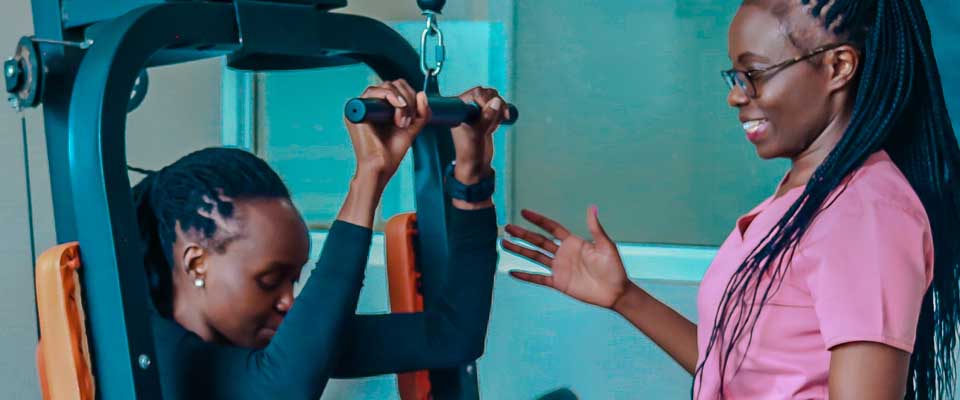
IT his type of rehabilitation deals with movement dysfunction in order to restore wellness to people following musculoskeletal or neurological disorders. Musculoskeletal injuries will be those involving muscles, bones, tendons and ligaments. Examples of these are Osteoporosis, Tendinitis, Back pain, neck pain, knee and Shoulder injuries. Neurological disorders involve the nervous system and may cause paralysis to the body. Example are stroke, Multiple sclerosis, cerebral palsy and many others. Physiotherapy deals with restoring and maintaining functional movement, reducing pain and promoting health in individuals.

I like to refer to sports medicine as the beautiful part of orthopedics. That is because it is neat in surgery, great in outcomes with low levels of complications, usually the patients are not sickly except for isolated injuries and often the patient regains pre injury levels of function. The discipline of sports medicine dates to the early 1900s when clubs began to appoint team doctors and especially with contact and collision sports. It peaked in the 50s but orthopedic sports medicine took a light in growth in the late 70s and early 80s with the advent of arthroscopy -camera assisted and minimally invasive surgery. Since then and till this century inventions in sports medicine, growth in sports nutrition , science, exercise medicine, sports physiotherapy and sports/athletics trainers has been phenomenal. And so has professional and college sport. This has made competition stiff and sometimes injuries more. Surveillance and regulation has made need for sports medicine huge. The approach to care of the injured player is always multidisciplinary. Recently we launched the Kenya Society for Sports Medicine to spearhead the work of sports medicine and player welfare in Kenya due to a huge and unmet need. Besides at Nairobi Orthopedic Centre we pride ourselves with having the best experienced sports surgeons, who have managed national teams and covered international events and trained with some of the best teachers in the ield. We have a one stop center that can offer comprehensive care for sports or sports like injuries because we have sports physiotherapists and nutritionists under one roof with our surgeons. Additionally we have a network of other professional afiliates. What then are the issues we handle or manage under sports medicine? Teams requiring doctors for games and tournaments Pre-contract medical assessments Federation or team sports medicine guidelines or policies Injuries in play practice or related diseases A lot of people get injuries that are similar to those of player's and those are managed under this discipline. There include anterior and posterior cruciate tears in the knee, collateral ligament tears, shoulder rotator cuff tears, shoulder dislocation acromial clavicular joint injuries, ankle sprains and fractures, snapping or painful hip, dislocations of patella joint, knee pain, hamstring, groin strains, patella or quadriceps tendon tears, Achilles tendon tears, painful foot or hip, concussions, elbow injuries or dislocations, wrist sprains or cartilage injury, cartilage injuries.
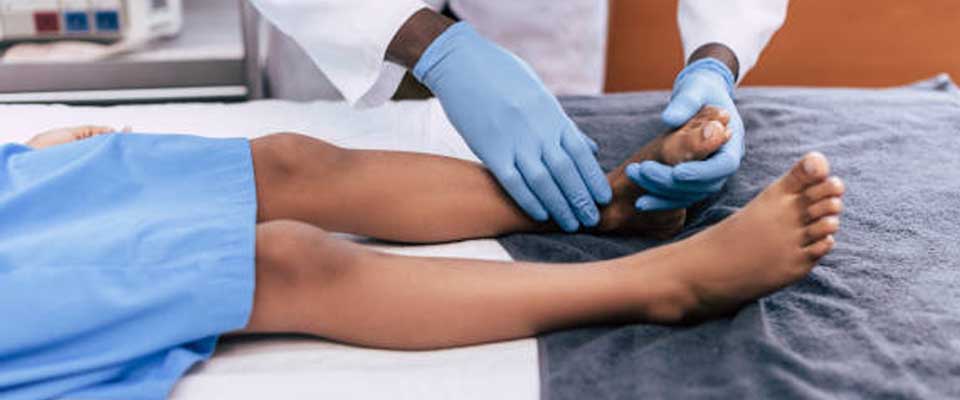
The Foot & Ankle Service at Nairobi Spine and Orthopaedic Centre provides complete evaluation and diagnosis as well as both surgical and non-surgical treatment for individuals with a variety of foot and ankle problems, including athletic injuries, fractures, arthritis and deformities. We specialize in treating all foot and ankle problems, including diabetic foot treatment, advanced foot and ankle reconstruction, posttraumatic ankle reconstruction, rheumatoid reconstruction, plantar fasciitis and vascular necrosis. We employ the most advanced medical, surgical, and rehabilitative techniques to achieve rapid recovery and optimal long-term results. We are dedicated to keeping our patients' feet in the healthiest condition.
Continue